The Ultimate Setup Guide for Your K70 Pro Tkl
Introduction
The K70 Pro Tkl is a compact, performance-focused tenkeyless mechanical keyboard that appeals to gamers, content creators, and professionals who need a high-quality typing surface without a numeric keypad. This guide explains what the K70 Pro Tkl offers, how to set it up straight out of the box, and how to tailor it to individual workflows and playstyles. It focuses on the practical concerns buyers usually have—build quality, switch choices, software customization, ergonomics, noise and feel, and long-term maintenance—so readers can decide whether the K70 Pro Tkl meets their needs and how to get the most from it.
Detailed Product Review and Analysis
Design and Build Quality
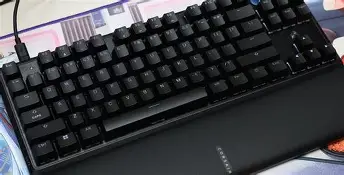
The K70 Pro Tkl adopts a tenkeyless layout to free desk space and place the mouse closer to the user’s body for more natural arm posture. The chassis commonly uses an aluminum top plate or a reinforced frame to reduce flex and provide a premium heft. A detachable USB-C cable simplifies transport and reduces wear at the cable entry point. The keyboard’s profile, adjustable feet, and compact footprint make it suitable for both desktop setups and small form-factor desks.
Buyers who value durability will appreciate a solid frame and sturdy keycaps; those focused on portability will like the absence of a numeric pad and the detachable cable. In many cases, the finish resists fingerprints and the overall aesthetic balances aggressive gaming cues with a restrained professional look, making the keyboard suitable for mixed-use environments.
Switches and Typing Experience
The K70 Pro Tkl is offered in multiple switch variants to suit different preferences: linear switches for smooth, uninterrupted travel; tactile switches for a modest bump that aids typing accuracy; and clicky switches for audible feedback. The key travel and actuation point are engineered for responsiveness, which benefits fast-paced gaming and fast typing sessions alike.
Gamers typically favor lighter linear switches with short actuation for rapid double-taps and quick strafing, while typists or hybrid users may prefer tactile switches for better feedback and fewer typos. The keyboard’s plate-mounted or PCB-mounted switch configuration affects sound and feel; plate-mounted setups can feel snappier, whereas PCB-mounted boards sometimes offer a slightly softer, cushioned typing experience.
Stabilizers, Keycaps, and Sound Profile
Stabilizers on larger keys (spacebar, Enter, Shift) influence the overall sound and feel. Stock stabilizers vary in quality; some users report improved performance after clipping or lubing stabilizers to reduce rattle and equalize travel. Keycap material (ABS vs PBT) and profile (OEM, Cherry, etc.) also shape the tactile and acoustic experience. PBT keycaps are generally favored for durability and resistance to shine, while double-shot or dye-sublimated legends resist wear better than printed legends.
Sound-conscious buyers will want to consider mods such as soft landing foam, switch dampeners, or additional internal foam to reduce resonance. The K70 Pro Tkl tends to have a clear, crisp sound that can be tuned through simple modifications without advanced tooling.
Connectivity and Software
Wired USB-C connectivity ensures low-latency performance and stable power for full RGB effects. The manufacturer’s customization software enables per-key RGB, macro assignment, and profile management. Onboard memory lets users store profiles directly on the keyboard for use across multiple systems without reconfiguring software. For power users, support for hardware macro recording and multiple onboard profile slots is a practical convenience.
Some setups require software only during initial configuration; once profiles are stored onboard, users can enjoy consistent behavior regardless of operating system. That said, advanced functionality such as dynamic lighting tied to in-game events usually requires the desktop software and often an account or cloud sync for cross-device consistency.
Performance in Real-World Use Cases
For competitive gamers, the K70 Pro Tkl delivers responsive input and reliable mechanical action, helping with fast aim adjustments and precision keypress sequences. Streamers and content creators benefit from macro support and programmable keys for scene switching or media controls. For office and productivity work, the compact footprint reduces reach and encourages a better mouse position, while the solid typing feel helps long-form writing and data entry—provided the user adapts to the tenkeyless layout.
In shared environments—quiet offices or streaming spaces—switch choice and sound-dampening mods become especially important. For users with limited desk space, the TKL layout often improves ergonomics by reducing the distance the hand must travel between keyboard and mouse, minimizing shoulder strain during long sessions.
Find top-rated Electronics products at great prices.
Shop Amazon →Setup Guide: From Unboxing to Optimization
1. Unboxing and Physical Setup
Start by inspecting the keyboard for shipping damage and ensuring the detachable USB-C cable and any included accessories (keycap puller, extra keycaps, quick start guide) are present. Position the keyboard so the mouse is centered on the shoulder and within a comfortable distance—ideally aligning the center of the keyboard with the sternum when sitting upright. Use the adjustable feet to set a typing angle that does not overly strain the wrist; a slight negative tilt (wrist lower than keyboard) combined with a wrist rest can help some users.
Place the keyboard on a stable surface. If the desk surface is uneven or noisy, consider a thin desk mat to prevent shifting and to add a slight cushioning for acoustics. Confirm the USB-C connector seats fully in both keyboard and host; a snug connection prevents intermittent input issues during crucial moments.
2. Firmware and Software Installation
Before customizing anything, check for and apply firmware updates via the manufacturer’s software—firmware updates often resolve stability issues, improve lighting behavior, and add features. Install the configuration software on the primary machine and create an account if required for cloud features (optional). After installing, update the keyboard firmware and then configure a basic profile: set polling rate (if adjustable), brightness limits, and a default lighting scheme.
When setting up profiles, take advantage of onboard storage by saving at least one profile to the keyboard. This ensures that basic lighting and key remaps persist when switching machines. For gaming profiles, create application-linked profiles that load automatically when a specific game launches.
3. Choosing the Right Switches
Selecting switches begins with considering usage patterns:…- Linear – Best for fast-paced gaming and users who favor smooth, uninterrupted key travel.
- Tactile – Suited to typists and hybrid users who want a bump for feedback without loud clicks.
- Clicky – Delivers audible feedback useful for typists who enjoy sonic confirmation, but may be too noisy for shared spaces.
Also evaluate actuation force: lighter switches reduce fatigue and increase speed for gaming; heavier switches add accuracy for heavy typists. If the keyboard supports hot-swappable switches, experimenting with different types is low risk and high reward.
4. Keycap and Stabilizer Upgrades
Swapping keycaps to a higher-quality PBT set improves feel and longevity. If the default stabilizers rattle, consider lubing them or applying clips where applicable. Lubing switches can transform a keyboard’s acoustics and smoothness but requires some time and the right lubricant; beginners might first try simple stabilizer mods and switch dampeners before committing to full switch lubing.
To reduce sound, add soft landing O-rings or foam beneath the keycaps, or place a thin neoprene or acoustic foam sheet inside the case if it opens readily. These mods lower bottom-out clacks and eliminate hollow resonance while keeping the original travel characteristics intact.
5. Macro and Profile Setup for Games and Workflows
Create distinct profiles for major activities—gaming, streaming, editing, coding—and assign them to keys or layers. Use macros conservatively: store complex multi-key sequences for repetitive tasks rather than using macros for critical timing inputs in competitive play, where software timing can introduce variances. For streamers, map scene changes, mute toggles, and other production controls to convenient keys, and save a backup of macro profiles to a cloud or local file to prevent loss.
6. Maintenance and Troubleshooting
Clean the keyboard regularly by removing keycaps (use a puller) and blowing out dust with compressed air or a soft brush. For sticky or non-responsive keys, reseating switches (if hot-swappable) or checking solder joints may be necessary. Always check software settings for conflicting macros or remaps before assuming hardware failure. If a firmware update fails or the keyboard behaves unpredictably after an update, use the software’s recovery or reset option to restore factory settings, then reapply customized profiles from saved backups.
Discover deals on Electronics — updated daily.
View Offers →Pros & Cons
- Pros:
- Space-saving tenkeyless layout improves mouse ergonomics and desk real estate.
- Solid construction and premium materials provide long-term durability.
- Multiple switch choices accommodate different playstyles and typing preferences.
- Per-key RGB and onboard memory allow extensive customization and portability.
- Wired USB-C ensures low latency and stable connection for competitive play.
- Cons:
- Loses a dedicated numpad, which may be a dealbreaker for heavy spreadsheet users.
- Stock stabilizers and keycaps may require aftermarket mods for optimal feel or sound.
- Full feature set often requires proprietary software, which some users avoid for privacy or resource reasons.
- Modifications (lubing, foam, new keycaps) may void warranties or require tools and time.
Comparison Table
| Model | Layout | Switch Options | Build Material | Customization | Best For |
|---|---|---|---|---|---|
| K70 Pro Tkl | Tenkeyless (TKL) | Multiple mechanical/optical variants available | Aluminum top plate / reinforced frame | Per-key RGB, onboard profiles, macros via vendor software | Competitive gamers, mixed-use professionals |
| Generic Full-Size Mechanical | Full (includes numpad) | Wide switch selection | Plastic or mixed metal | Basic backlight, fewer onboard macros | Users needing numpad-heavy workflows |
| Low-Profile TKL | Tenkeyless (low profile) | Low-profile switches (shorter travel) | Aluminum or plastic frame | Limited per-key customization on some models | Travel-conscious or laptop-like typing preference |
Buying Guide: What to Consider Before Purchase
When evaluating the K70 Pro Tkl or similar tenkeyless keyboards, consider the following factors:
1. Layout and Ergonomics
Decide whether the tenkeyless form factor suits daily workflows. Traders, data entry specialists, or accountants who rely heavily on numeric input may prefer full-size keyboards or keep a separate numeric pad. For most gamers and general users, TKL improves mouse placement and reduces shoulder strain.
2. Switch Type
Test switches if possible. Local stores, meetups, or switch testers let buyers try linear, tactile, and clicky options before committing. If the keyboard is hot-swappable, purchase decisions become more flexible because switches can be changed later.
3. Customization and Software
Determine how much customization is necessary. If per-key RGB, complex macros, and application-linked profiles are priorities, confirm that the vendor’s software supports these features and that firmware updates are reliably delivered.
4. Build and Keycap Quality
Look for durable materials—an aluminum top plate and PBT keycaps indicate a higher-quality feel and longevity. Check whether key legends are printed, double-shot, or dye-sublimated: the latter two resist wear better over years of use.
5. Sound and Modability
Consider whether the keyboard will be permanently modified. If so, ensure the keyboard’s design allows easy disassembly, and that parts like stabilizers are accessible. Some users prefer out-of-the-box sound, while others plan to add foam, lube, or new caps to tune acoustics.
6. Warranty and Support
Review warranty terms and the vendor’s reputation for support. Firmware and software are part of the long-term experience; a responsive support channel reduces headaches if updates introduce issues.
Conclusion
The K70 Pro Tkl occupies a practical niche for users who want a compact keyboard grounded in performance and customization. It blends a durable build, flexible switch options, and robust software-driven customization, making it suitable for competitive gaming, creative work, and extended typing sessions. Buyers should weigh the trade-offs of a tenkeyless layout against personal workflow needs and consider whether they plan to mod the board for sound and feel. With a thoughtful setup—proper switch selection, firmware updates, and modest acoustic or stabilizer tuning—the K70 Pro Tkl can serve as a long-term centerpiece of a productive, comfortable desk setup.